
Book of Dead
9.5/10The gold standard of the Book formula — high volatility, clean design, and the one most Canadians tried first
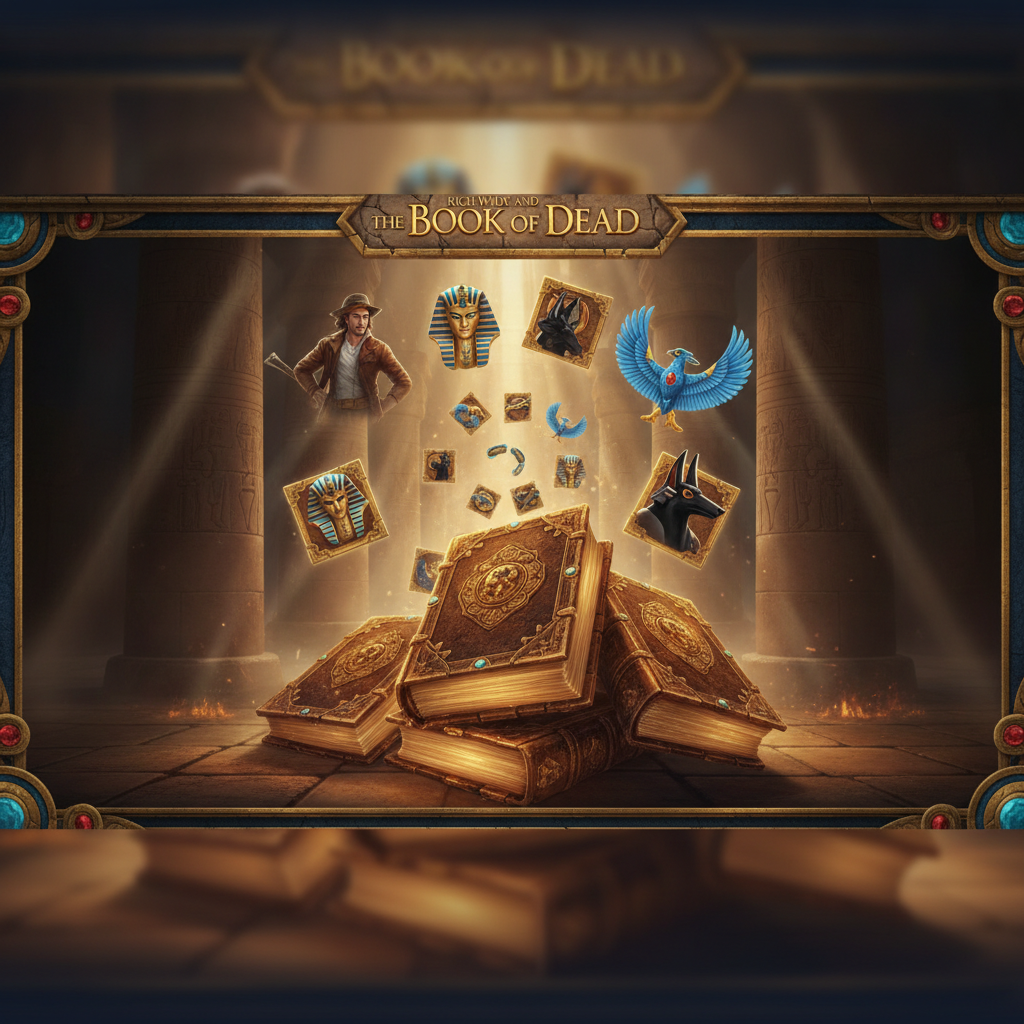
Thirteen games, one legendary mechanic, and a scatter-wild Book symbol that's become its own genre shorthand. Whether you first met the series through Novomatic's classic or stumbled into Play'n GO's reimagination, the full Book lineup lives right here — compare them, pick your flavour, and spin.
The gold standard of the Book formula — high volatility, clean design, and the one most Canadians tried first
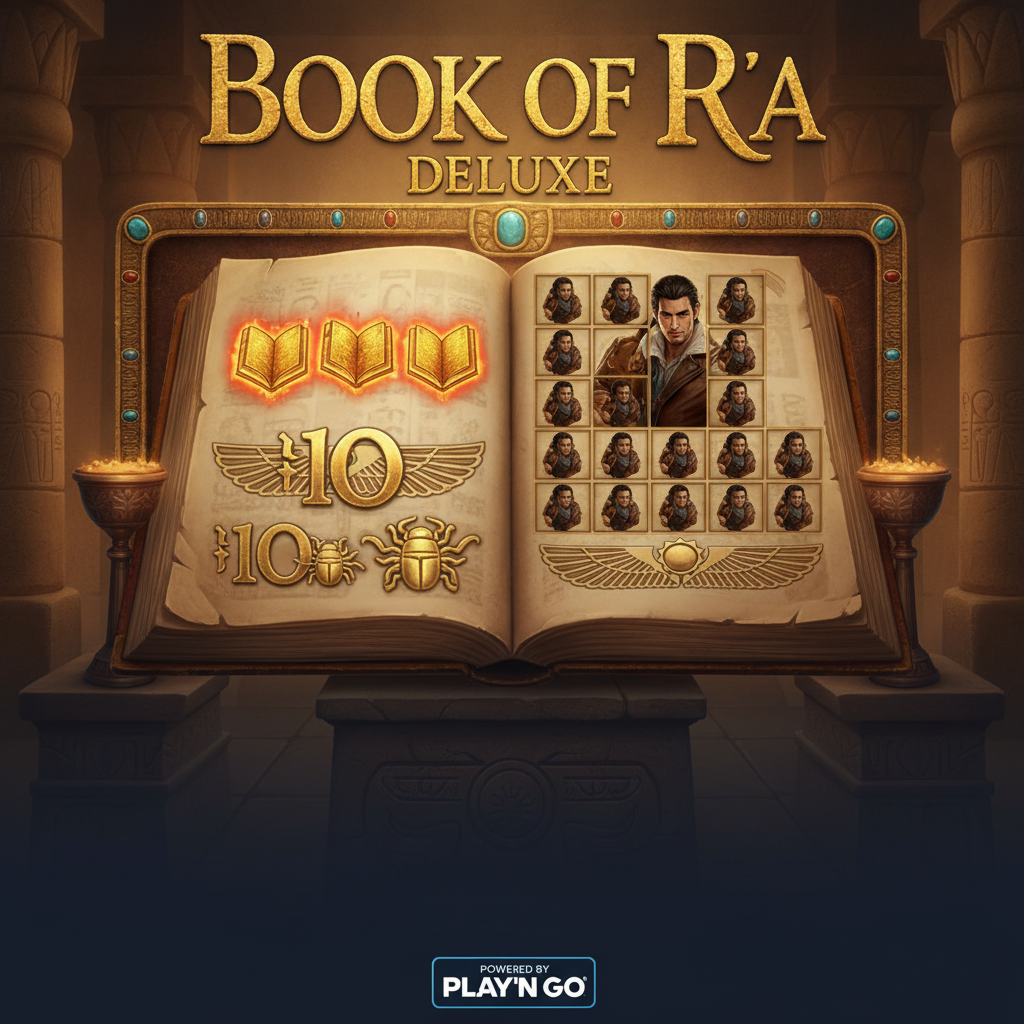
The polished heir to the original, tighter math and smoother play for anyone who respects the roots
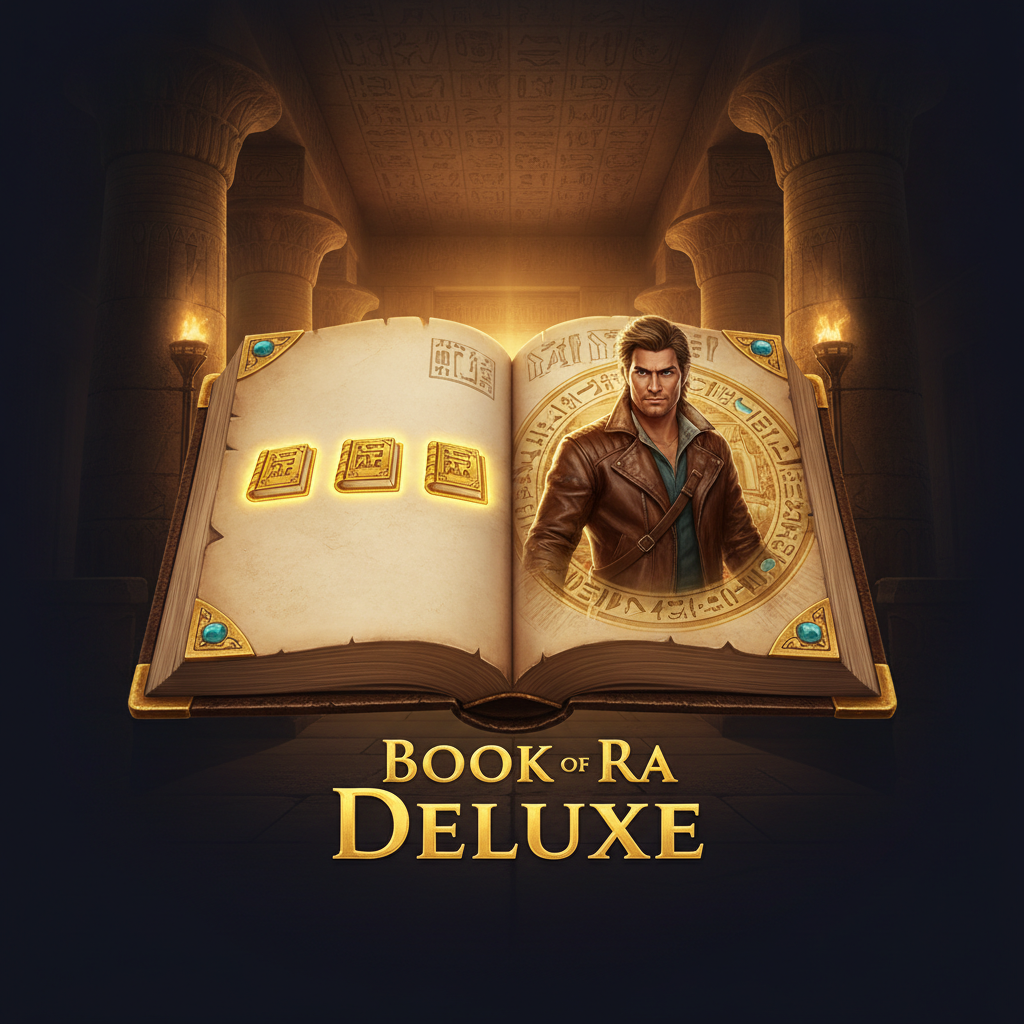
Where it all began — raw, simple, and still hits if you appreciate vintage slot DNA

Mesoamerican reskin with its own rhythm, solid for players who want the mechanic in a different wrapper
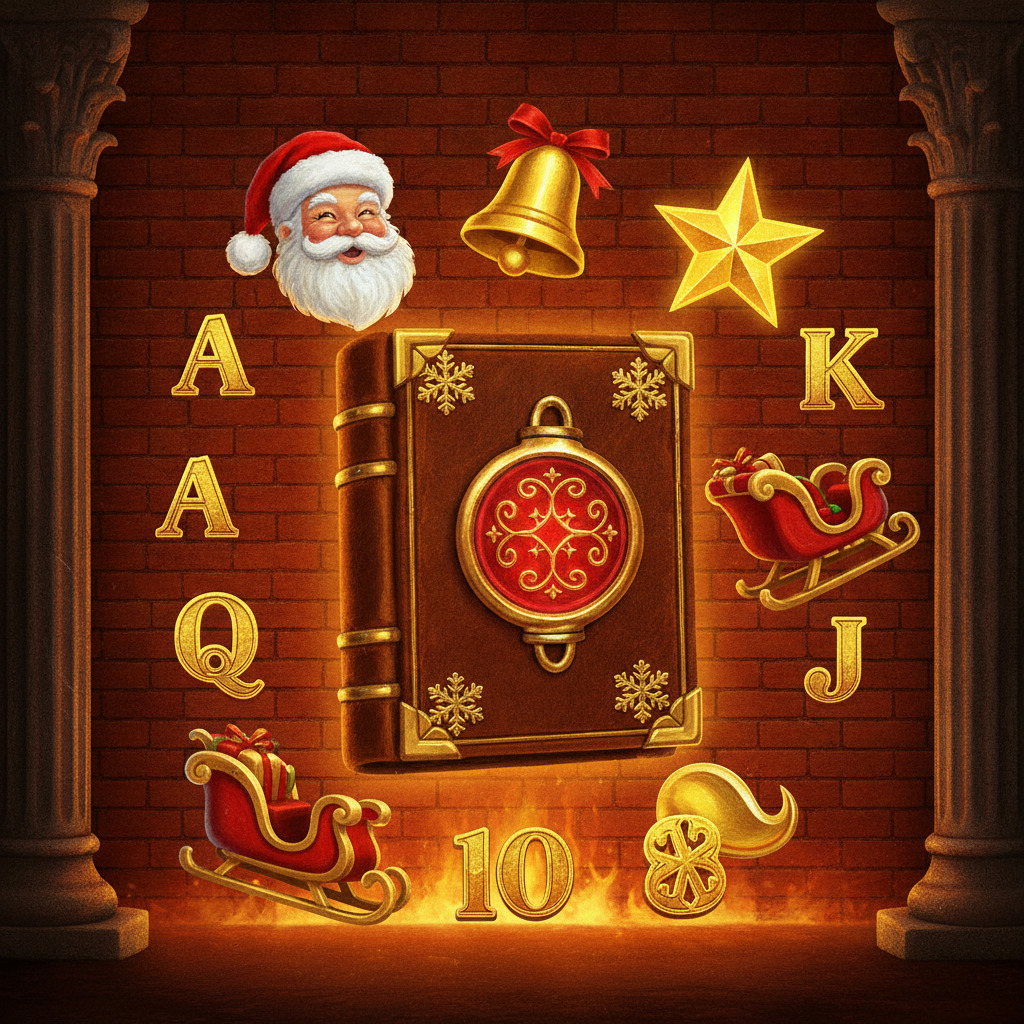
Seasonal fun that doesn't overstay its welcome — lighter mood, same expanding-symbol core
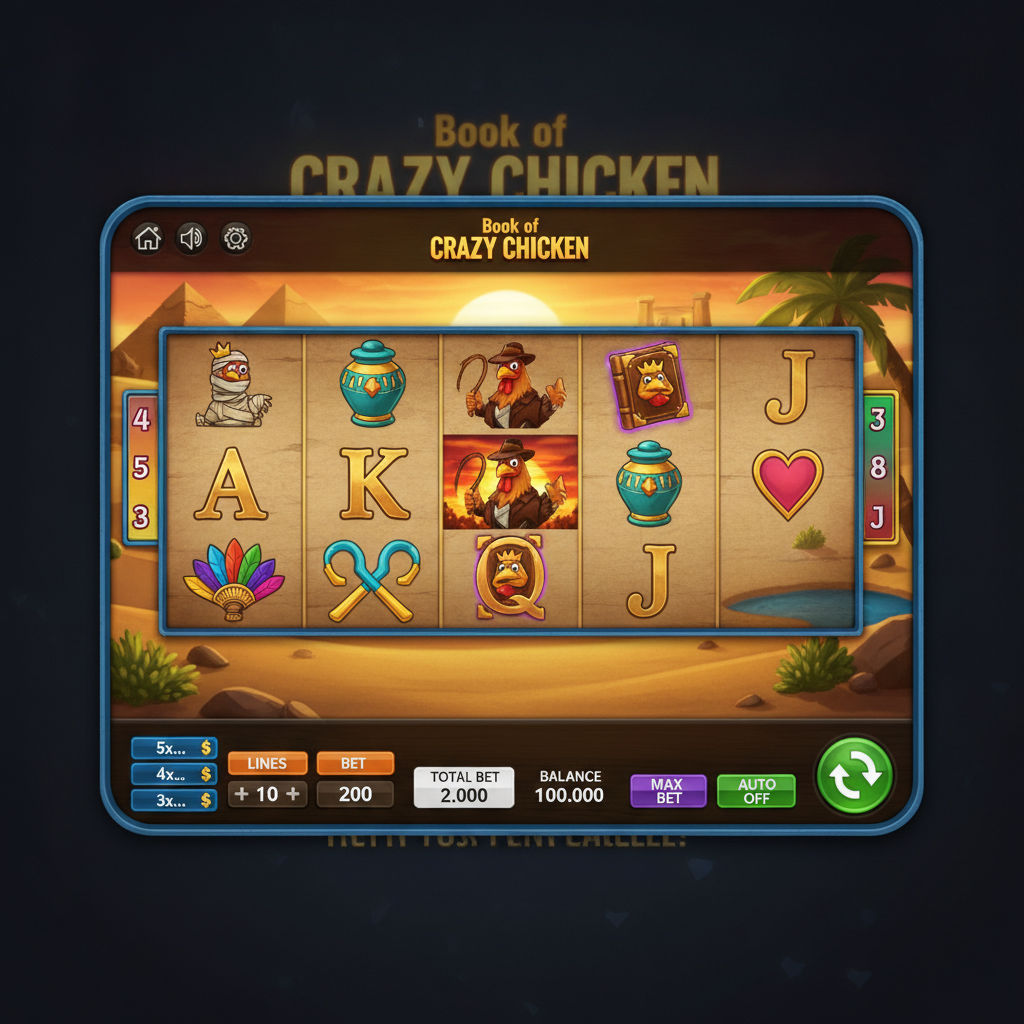
The oddball of the family — comedy theme, lower intensity, a palate cleanser between heavier sessions
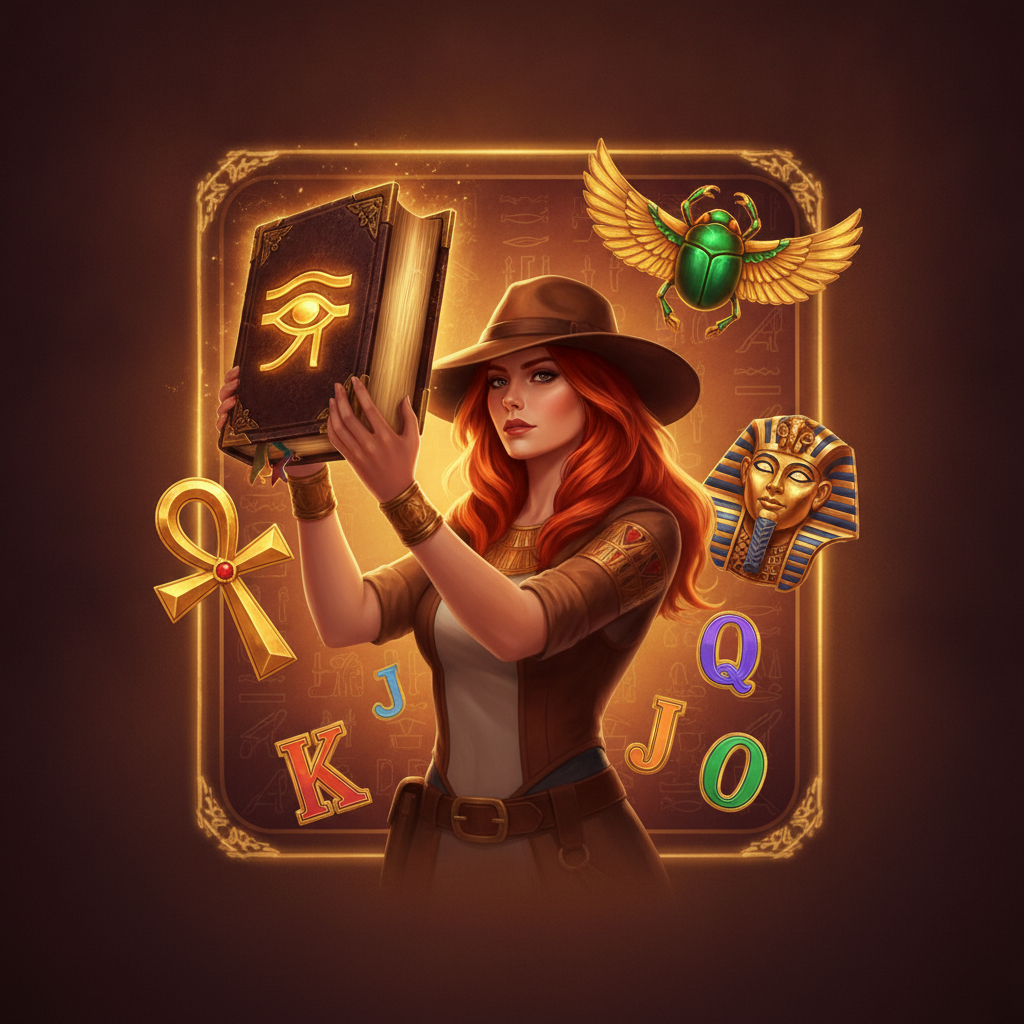
Two bonus modes give it more replay depth than most Book clones — worth exploring
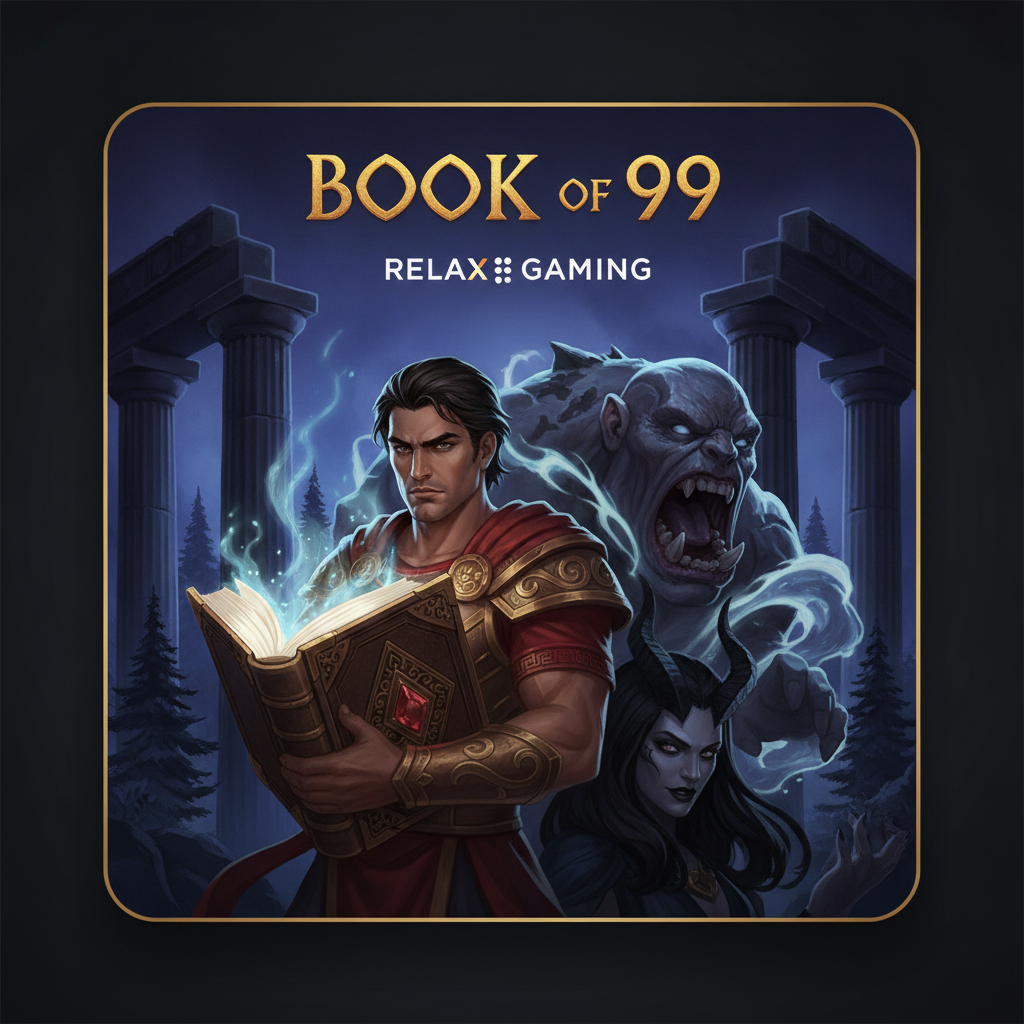
That unusually generous RTP sets it apart — great pick if you like longer sessions with less bleed
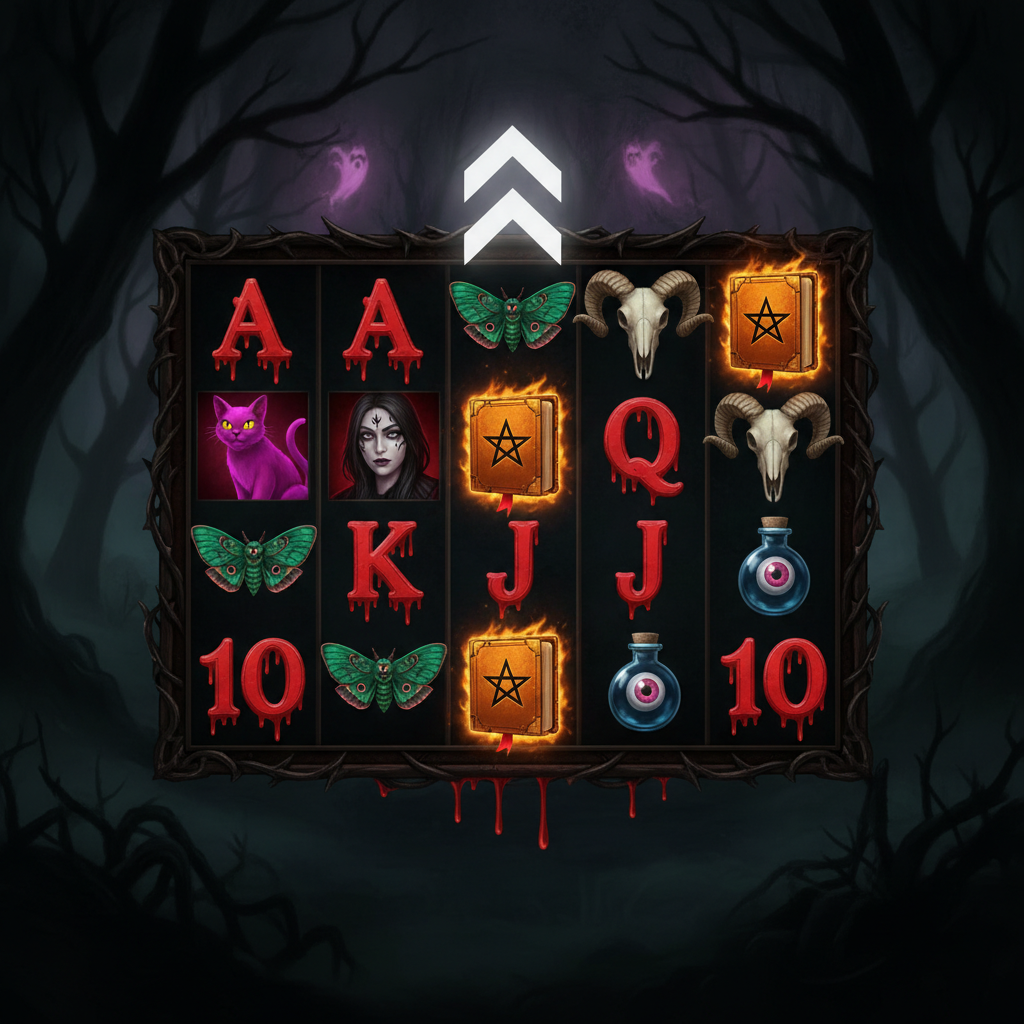
Multi-book mechanic adds genuine strategic choice — the thinker's Book game
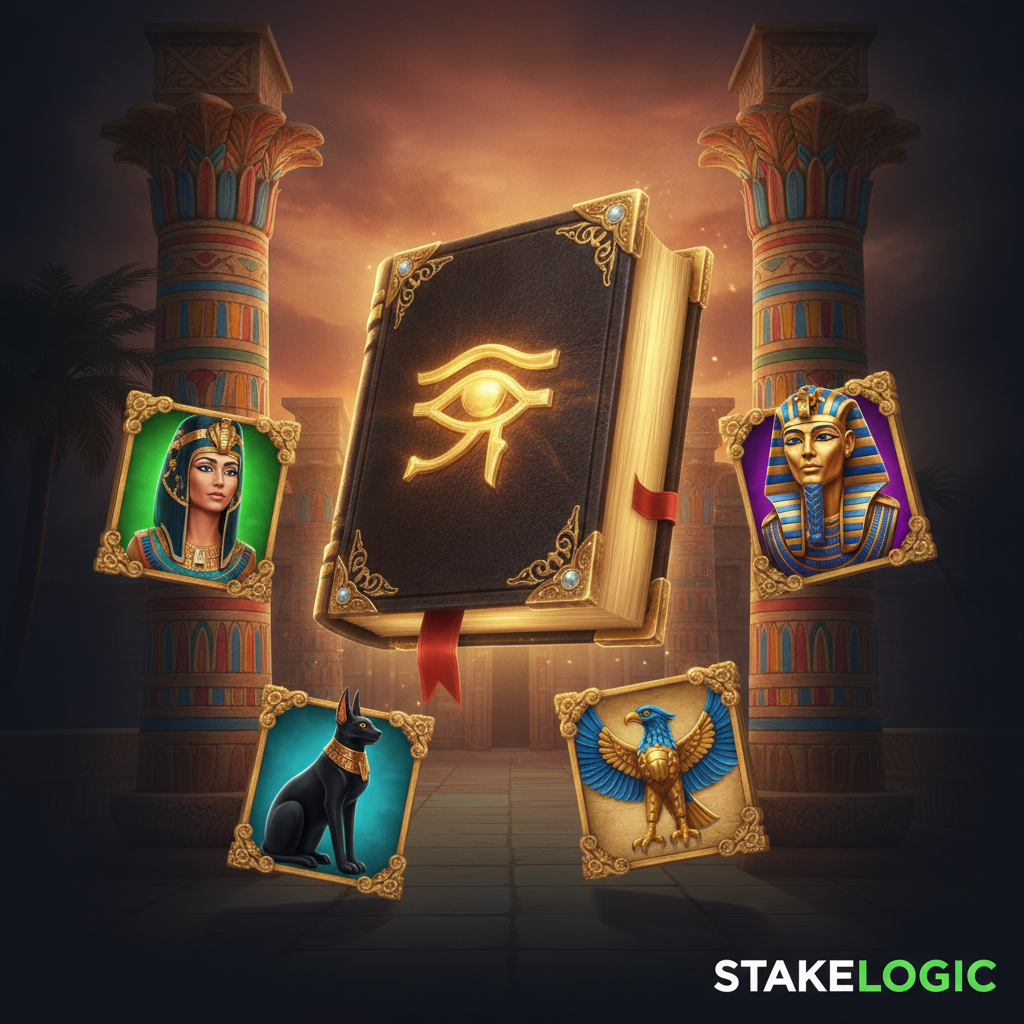
Egyptian theme done faithfully with a female lead, steady volatility, easy entry point
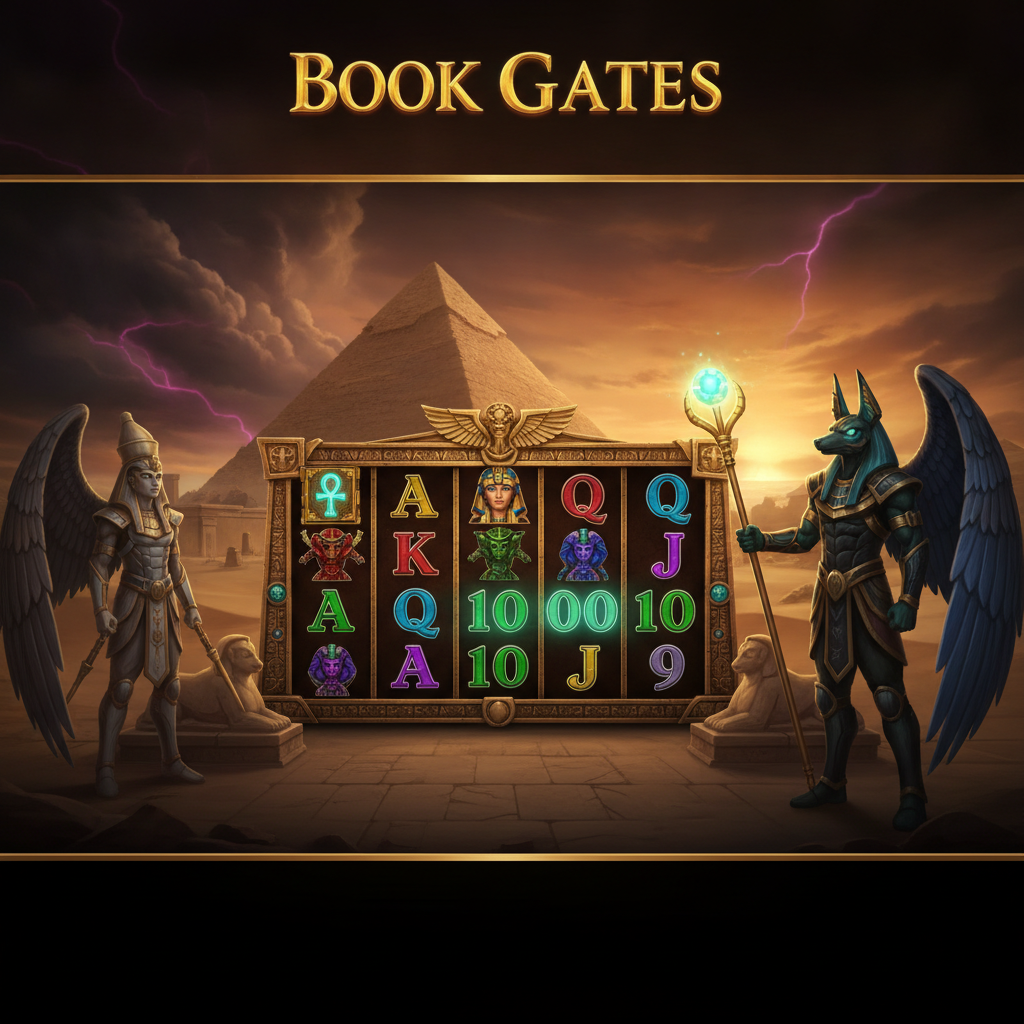
Layered bonus progression that rewards patience — feels earned when it hits
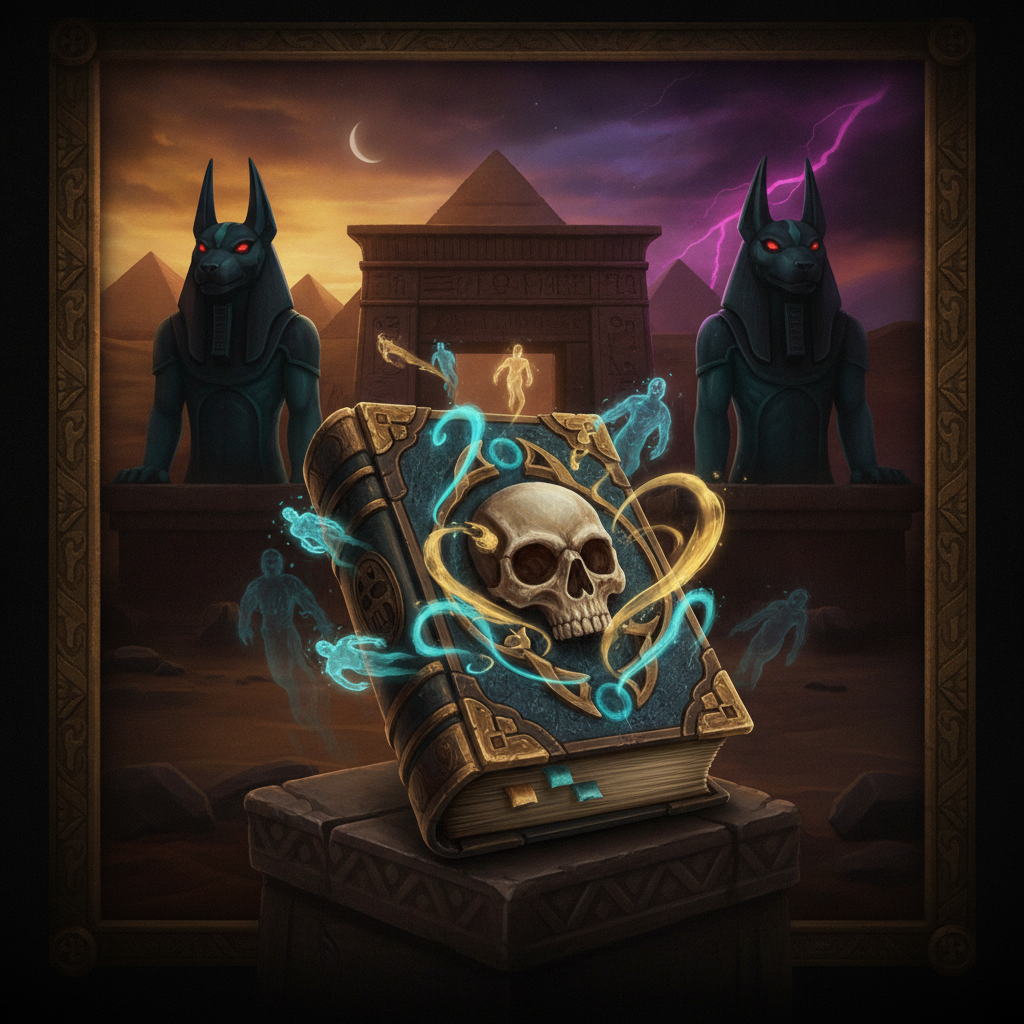
Aztec-Egyptian hybrid with strong visuals, performs well on mobile sessions
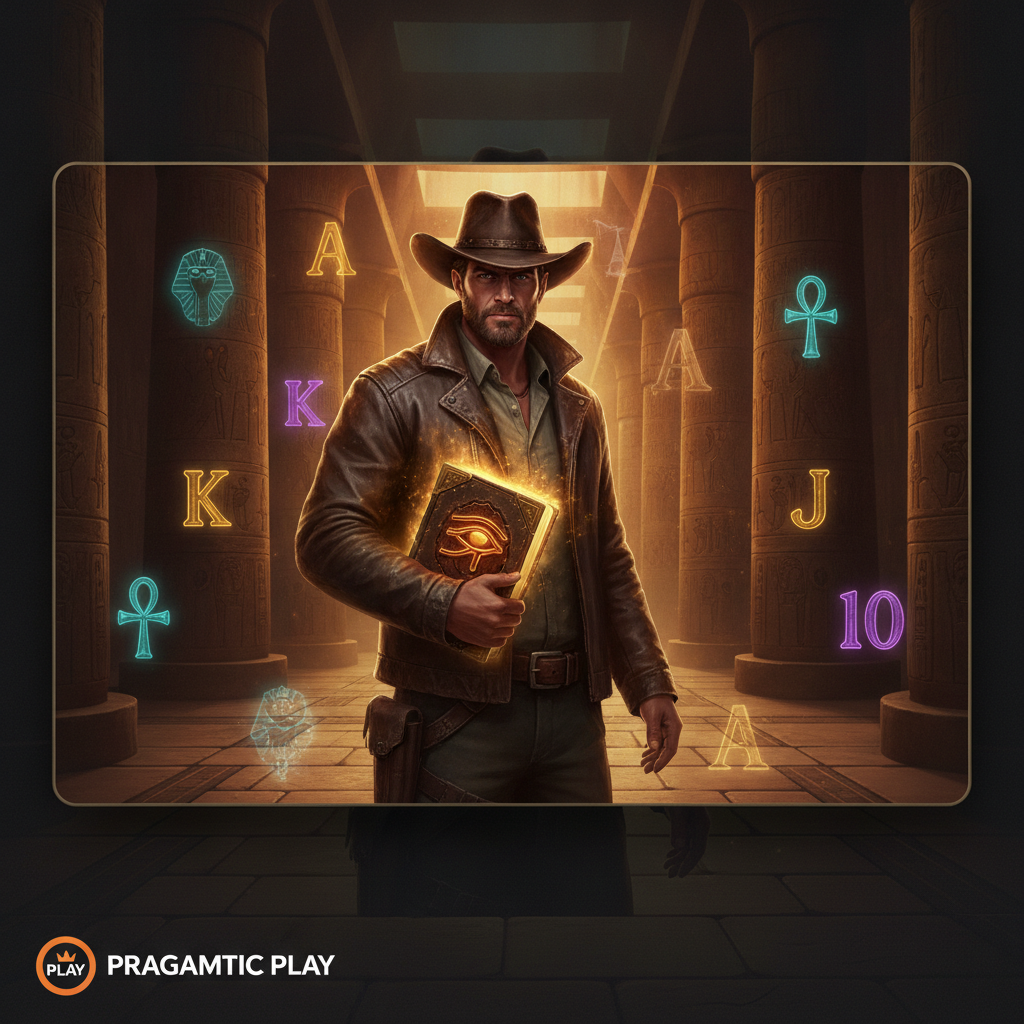
Modern production values meet the proven mechanic — one of the stronger recent additions
It started with Book of Ra. Novomatic built a five-reel slot around a deceptively simple idea: the Book symbol acts as both wild and scatter, and when you land three of them, free spins trigger with one randomly chosen symbol that expands across entire reels. That single mechanic — a special expanding symbol during a bonus round — turned out to be so satisfying that it spawned an entire lineage of games. Book of Ra Deluxe refined the original with better graphics, tighter maths, and ten paylines instead of nine. And then the floodgates opened.
Play'n GO released Book of Dead, and suddenly the concept reached a global audience. It wasn't just a Novomatic thing anymore. Other studios took notice. BGaming, Spinomenal, and smaller providers started building their own interpretations. The series grew to the 13 titles you see on this page — each one carrying that DNA of the Book scatter, the expanding bonus symbol, and the tension of a high-volatility free-spin round where one good symbol selection can change everything.
Strip away the themes and the dressing, and every Book game shares a core loop that players keep coming back to. The Book is wild. The Book is scatter. Three Books trigger free spins. One symbol is chosen to expand. That's the skeleton. But what makes it compelling is the risk-reward math baked into that structure.
During regular spins, most Book games are tight. They bleed your balance slowly, steadily. The free-spin round is where the game lives. When that expanding symbol is a high-pay icon — the explorer, the pharaoh, the god — and it lands on multiple reels, the payout can be massive relative to your stake. That swing between drought and flood is what defines the series. It's not a grind-it-out, low-volatility experience. It's built around anticipation and payoff.
Some entries in the lineup push this further. Book of Shadows introduces a multi-book system where you can unlock additional reels for the bonus round, adding a layer of player choice that most Book games don't have. Book of 99 goes the other direction — its notably high RTP means your base-game sessions last longer, giving you more shots at triggering the bonus without torching your bankroll. Book of Secrets offers two distinct bonus modes, so the game doesn't feel one-note over extended play.
The Book mechanic works because it's transparent. You always know what you're chasing, and you always know what the expanding symbol needs to do. There's no hidden complexity — just tension.
Canadian slot players tend to gravitate toward games where volatility is legible. Not random chaos, but structured risk — where you can read the game's rhythm and make decisions about session length and bet sizing accordingly. The Book series fits that preference cleanly. You know the base game is going to be lean. You know the bonus is where it pays. That clarity is something this audience respects.
There's also the matter of session style. A lot of Canadian players, especially on mobile, play in shorter bursts — commute sessions, lunch breaks, couch time after dinner. Book games are ideal for that. A round resolves fast, the bonus is self-contained, and you don't need to track elaborate multi-stage features across dozens of spins to understand where you stand. You're either in the bonus or you're building toward it. Clean.
For players who frequent Ontario's regulated market or play through licensed offshore operators accessible across the provinces, the Book series has strong availability. These aren't niche titles — they're on virtually every major platform, which means Canadians rarely have to hunt to find them. That ubiquity matters when you want to switch between games in the series without switching casinos.
Every game in the Book lineup runs natively in-browser. No downloads, no apps, no Flash-era nonsense. Whether you're on a MacBook at home or an Android phone on the GO train, you open the casino, find the game, and it loads. The HTML5 builds across the series are uniformly solid — responsive layouts, touch-friendly controls, and audio that doesn't make you scramble for the mute button in public.
Mobile is where most Canadian players spend their time with these games, and it shows in how the newer entries are designed. Book of Fallen and Book of Shadows, for instance, feel like they were built for portrait-mode play on a phone first and adapted to desktop second. Buttons are thumb-reachable, the paytable is a swipe away, and autoplay settings let you set loss limits without babysitting each spin.
Desktop still has its advantages if you're a multi-tabber or you like a bigger viewport for the expanding-symbol animations. But functionally, nothing is lost on mobile. The math, the features, the bonus triggers — all identical regardless of device.
Let's be straight: not all 13 Book games are radically different experiences. The mechanic is the mechanic. What changes between entries is theme, studio, math model, and the degree to which the developer added or tweaked features around that core loop. Here's how the lineup actually shakes out.
Book of Ra and Book of Ra Deluxe are the Novomatic originals. Book of Ra is the raw version — fewer paylines, older graphics, the kind of slot that land-based players remember from casino floors. Book of Ra Deluxe is the version most people mean when they say "Book of Ra" today. It's smoother, has ten lines, and the math is slightly more forgiving. If you've never played a Book game, Deluxe is the historical starting point that still holds up.
Book of Dead is, for most Canadian players, the definitive Book game. Play'n GO took the formula and executed it with top-tier production — Rich Wilde as the adventurer protagonist, crisp Egyptian art, high volatility with a balanced hit rate in the bonus round. It's the most widely available, the most commonly promoted, and the one most casinos default to when they think "Book slot." If you only play one, this is probably it.
Book of Aztec, Book of Cleopatra, Book of Souls, and Book of Santa are essentially the Book formula dressed in different themes. Book of Aztec and Book of Souls lean into Mesoamerican and hybrid ancient aesthetics. Book of Cleopatra stays Egyptian but centres a different protagonist. Book of Santa is the holiday version — same mechanic, festive wrapper. None of these reinvent the wheel, but they don't need to. If you like the core loop and want visual variety, they deliver.
A few entries push beyond reskinning:
Book of Crazy Chicken is the outlier. Comedy theme, lighter tone, lower intensity. It exists. Some players find it charming as a break from the ancient-civilization heaviness. Others skip it entirely. It's honest to say this one is the least essential in the lineup, but it's part of the family.
If you're new to Book games entirely, start with Book of Dead. It's the cleanest expression of the mechanic, it's available everywhere Canadian players have accounts, and it sets the baseline for understanding every other entry in the series. Play it for a session or two until the rhythm of base-game drought and bonus-round payoff feels natural.
Once you've got the feel, branch based on what you want:
If you're already a Book veteran — you've played Dead, you've played Ra, you know the expanding-symbol dance — the value of this page is seeing the full 13-game lineup side by side. Some of these you've tried. Some you've scrolled past. The ones worth a second look, honestly, are Book of Shadows for its mechanic twist and Book of 99 for its math model. Everything else is variations on a theme you already love, and that's not a bad thing.